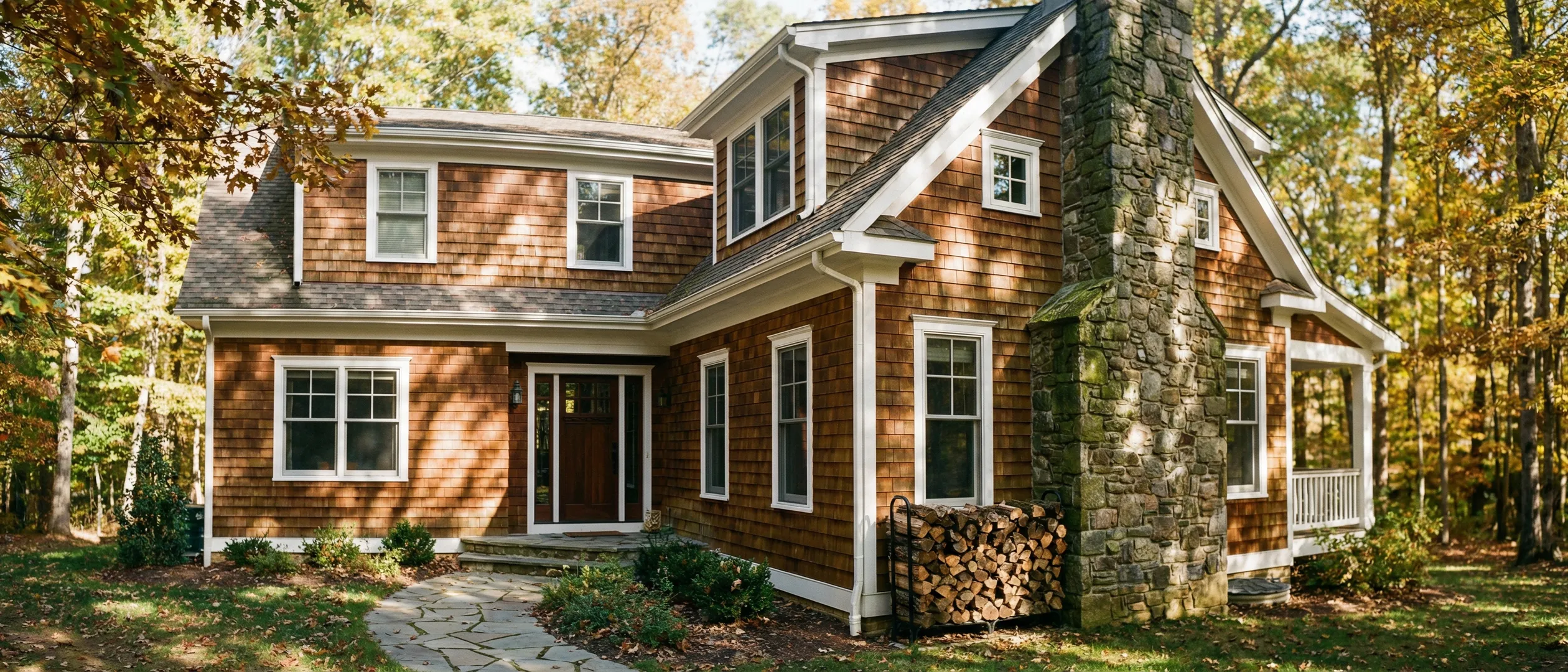
Cedar Siding Painting & Restoration in Virginia
Give your cedar home the attention it needs. Greystone Painting has been repainting and restoring cedar siding across Virginia since 1999.
Cedar Demands Specialized Care
Cedar siding looks great, but it takes real work to keep it that way. UV, moisture, and mildew will break down unprotected cedar fast. We know what Virginia's climate does to cedar homes, and we know how to fix it and make the finish last.
Licensed in Virginia (VA #2705137724), Greystone Painting has been restoring cedar homes since 1999, from small touch-ups to full-house projects.
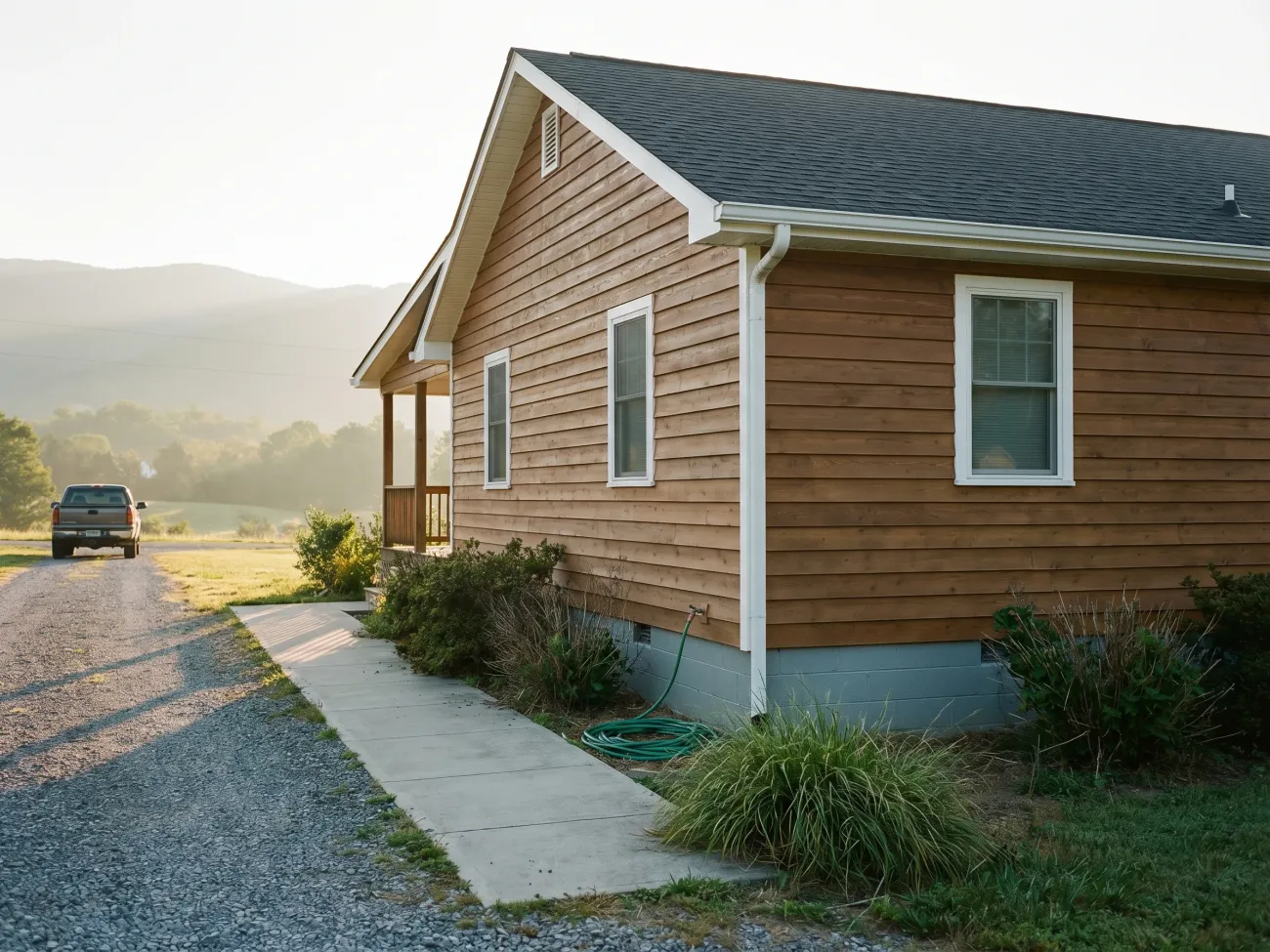
Challenges Unique to Cedar
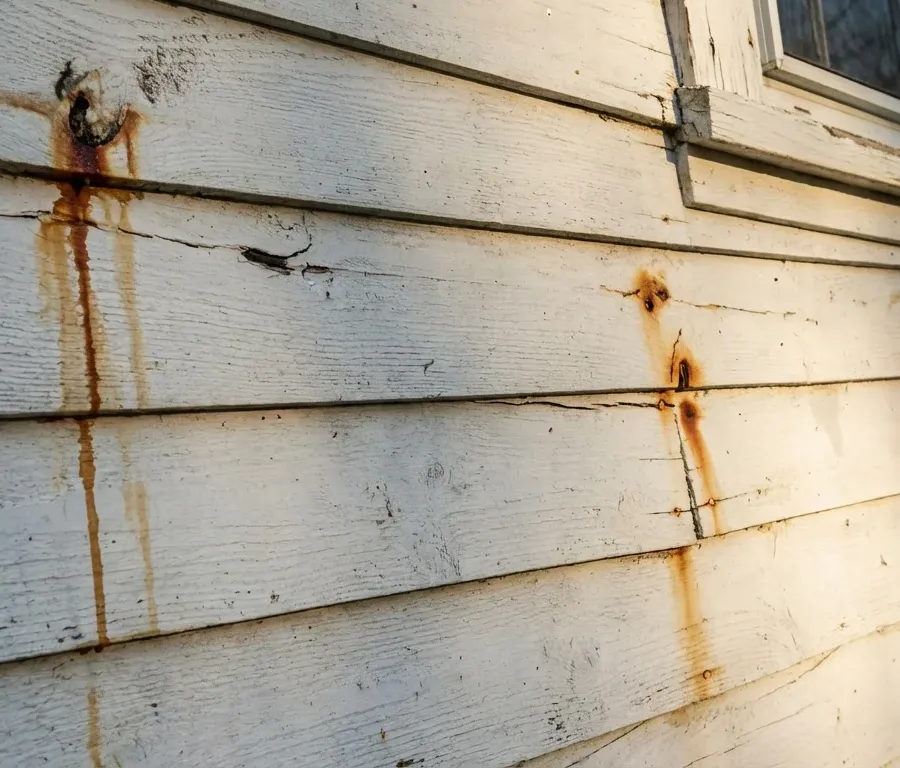
Tannin Bleed
Cedar's natural tannins bleed through paint and stain when they're not properly sealed, leaving brown or yellowish stains on the surface.
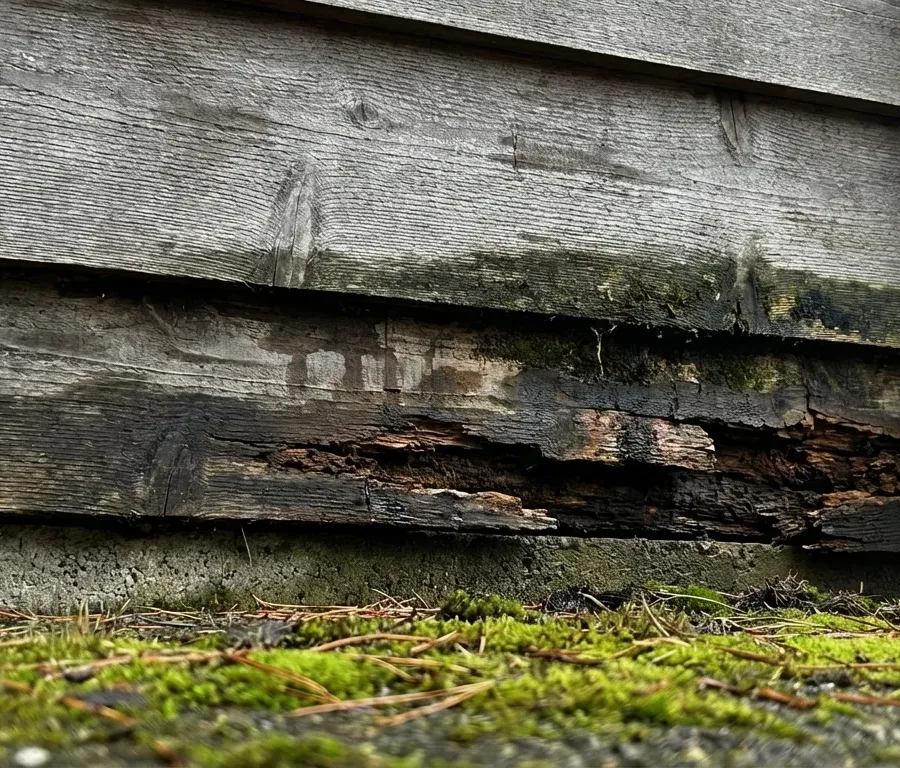
Moisture & Rot
Once the finish fails, moisture gets in. That means rot, warping, and eventually damaged framing if it goes untreated.
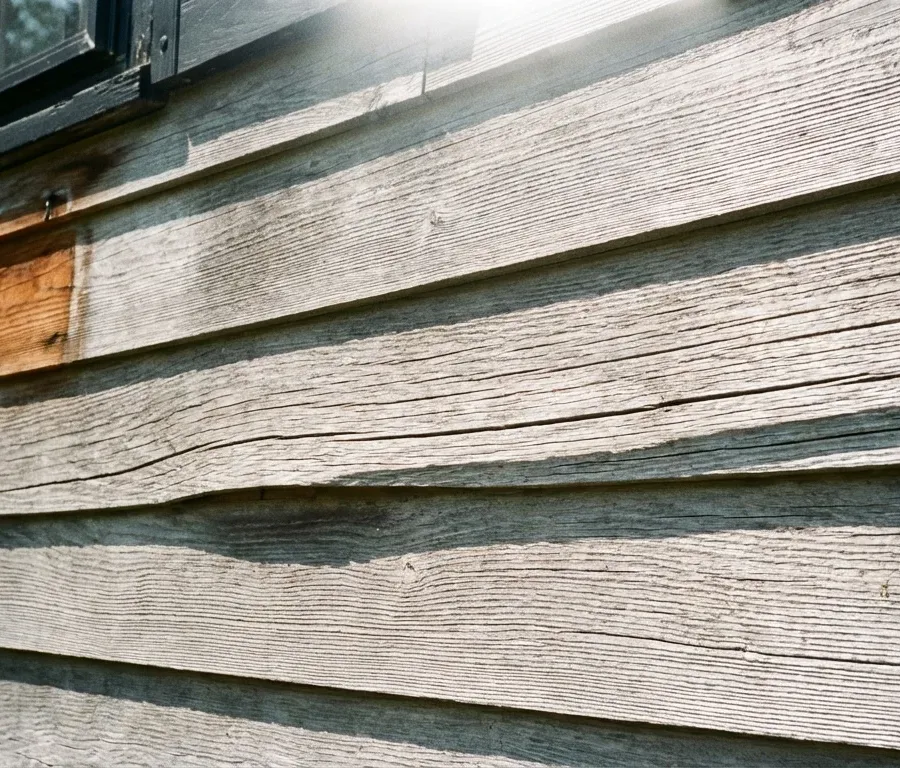
UV Degradation
Leave cedar unprotected and the sun will turn it gray within a couple of seasons. Virginia summers are hard on exposed wood.
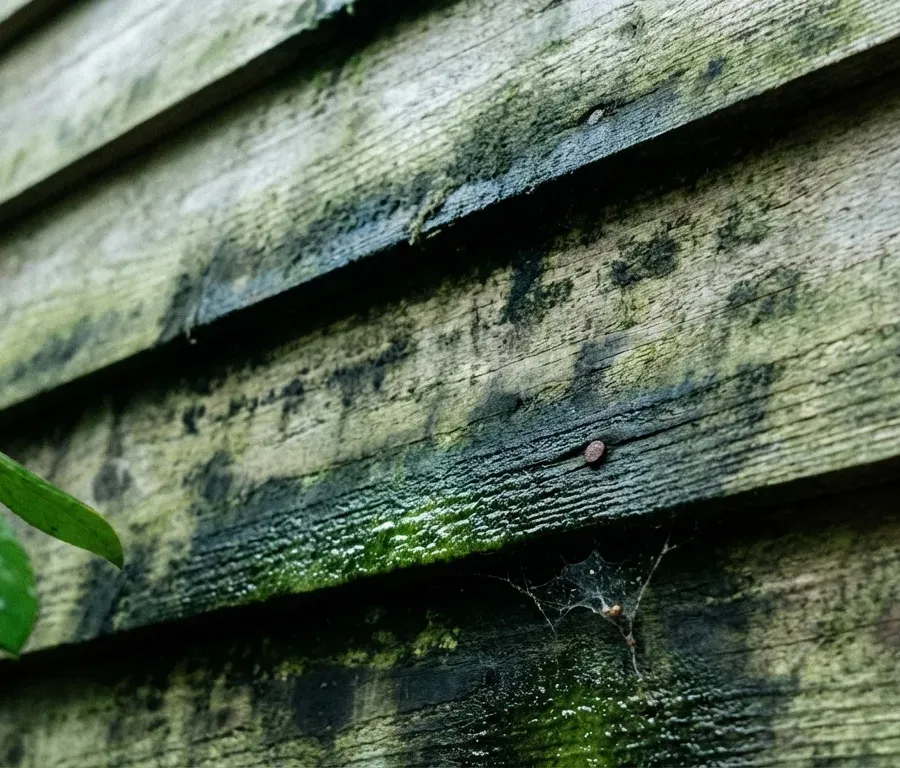
Mildew & Algae
Humid conditions in the Shenandoah Valley promote mildew and algae growth on cedar surfaces.
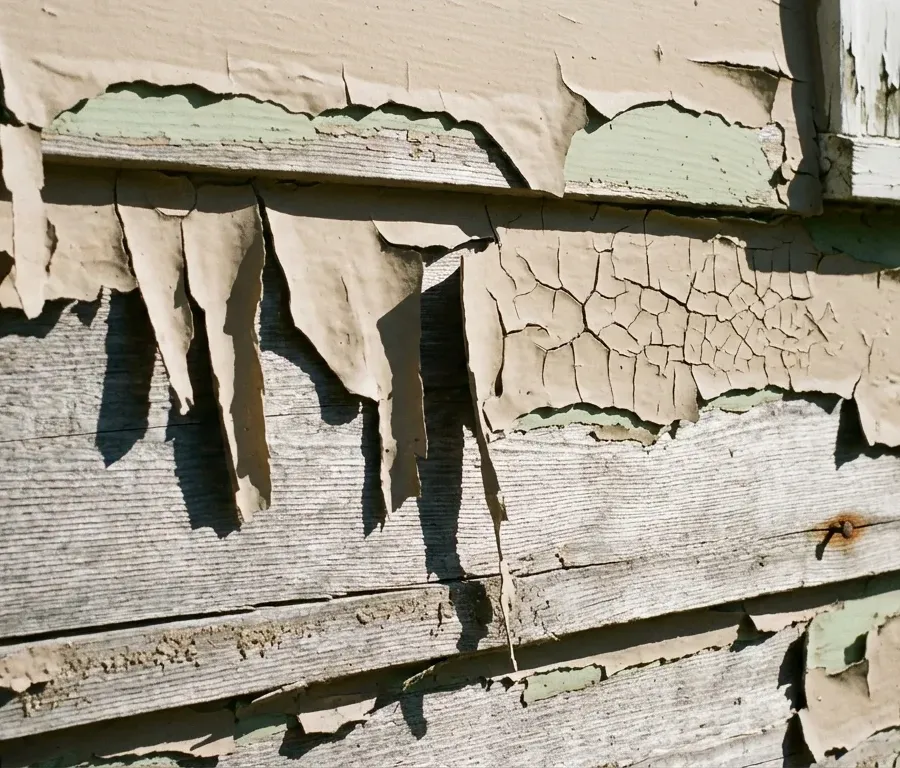
Previous Coating Failure
Peeling, flaking, or chalking usually means the last paint or stain job skipped proper prep. We see this all the time.
Cedar Restoration, Step by Step
1. Inspection & Assessment
We evaluate the condition of your cedar, identifying rot, damage, coating failure, and areas requiring repair or replacement.
2. Cleaning & Stripping
Gentle power washing and, where needed, chemical stripping to remove old finish, mildew, dirt, and tannin buildup.
3. Repair & Replacement
Damaged boards are replaced, cracks are filled, and all surfaces are sanded smooth and prepared for the new finish.
4. Staining or Painting & Sealing
We apply a quality stain or paint with UV and mildew inhibitors, then seal it with a protective topcoat so the finish holds up.
Staining vs. Painting Cedar
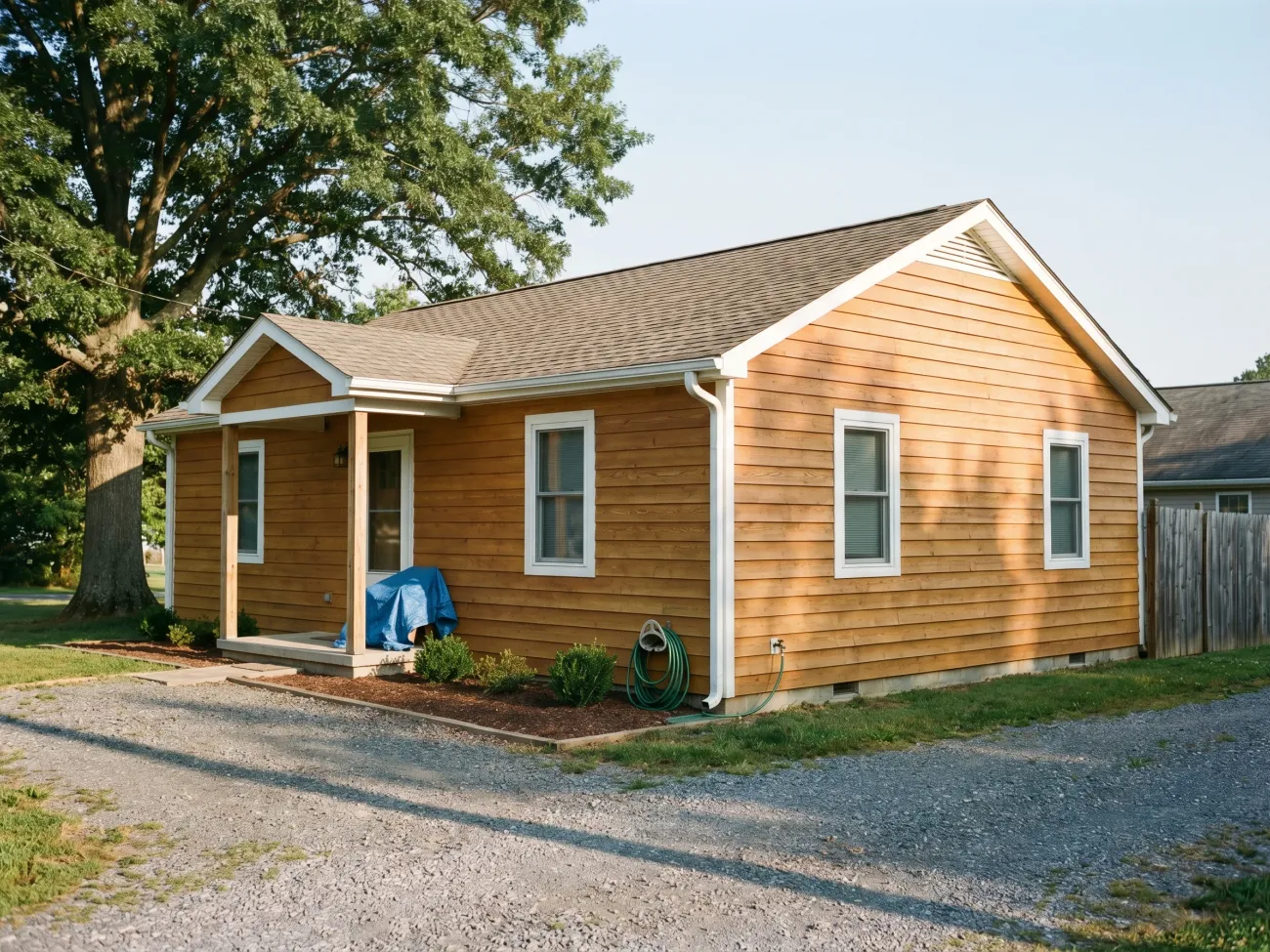
Staining
Penetrating stains soak into the wood grain and let the cedar's natural texture show through. They come in transparent, semi-transparent, and solid options and are easier to maintain and recoat down the road.
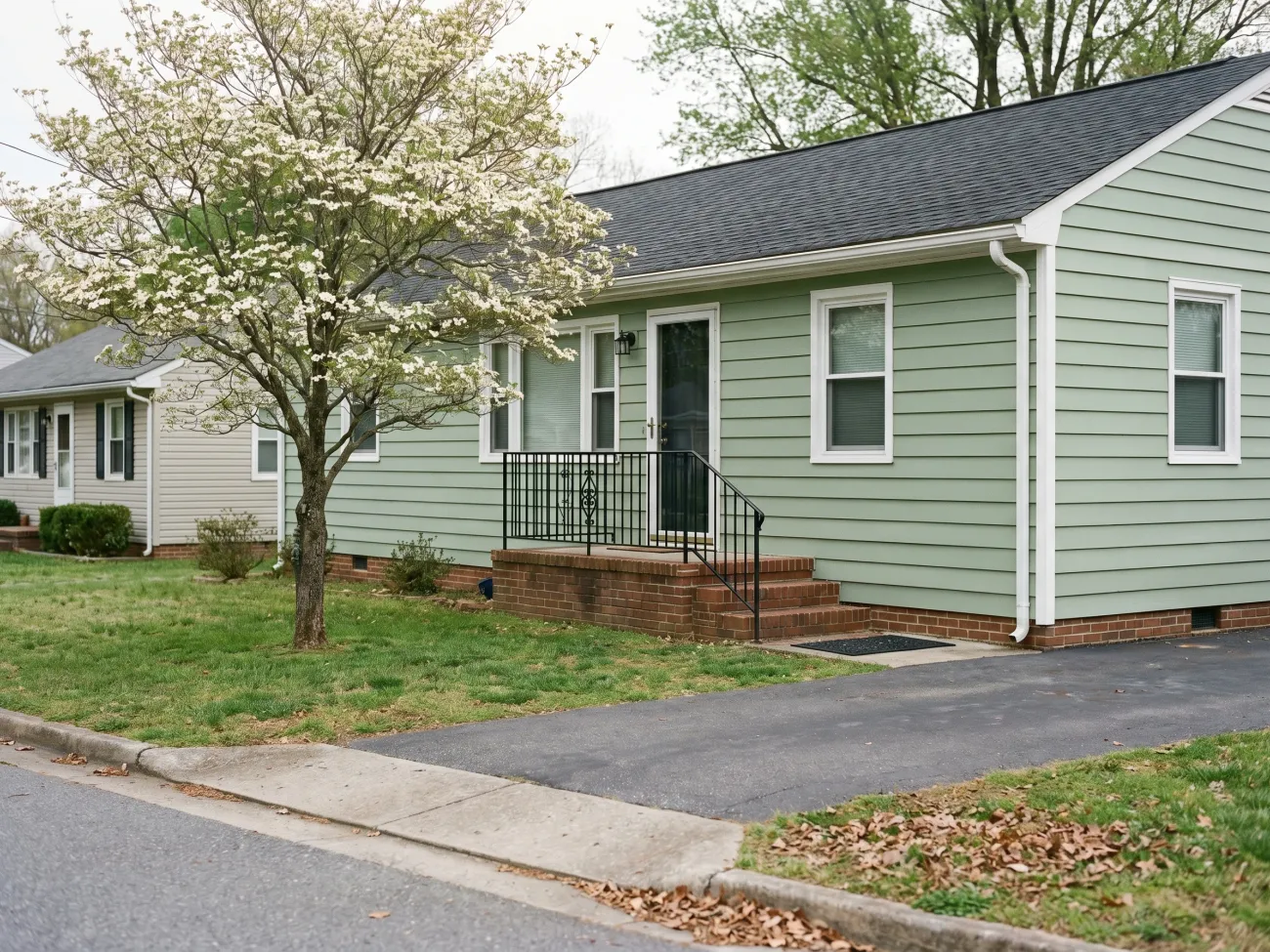
Painting
Exterior paint provides a solid, opaque finish with maximum color choice and UV protection. Requires more thorough preparation, including tannin-blocking primer, but offers a clean, uniform appearance. Best for cedar that has been previously painted.
Not sure which option is right for your home? We'll help you choose during your free consultation.
The Full Restoration
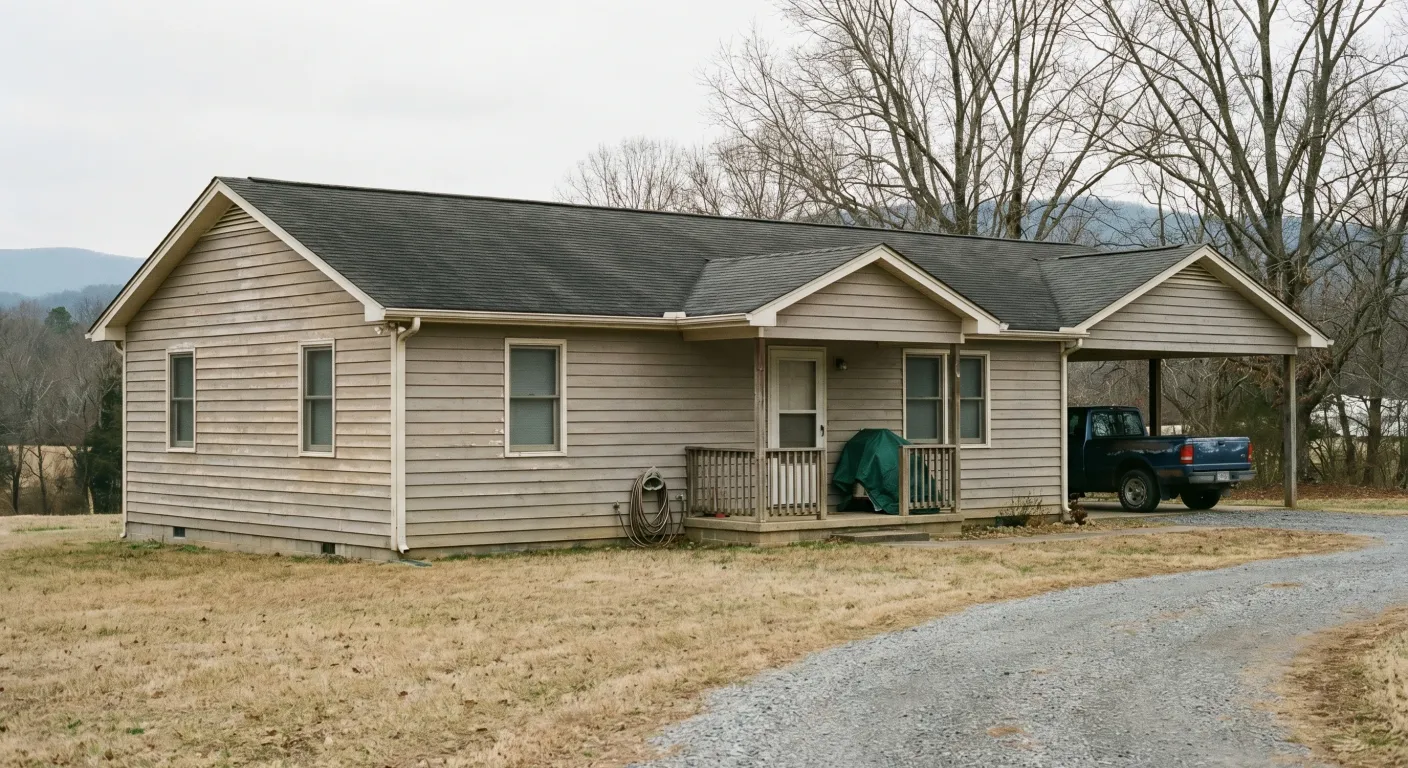
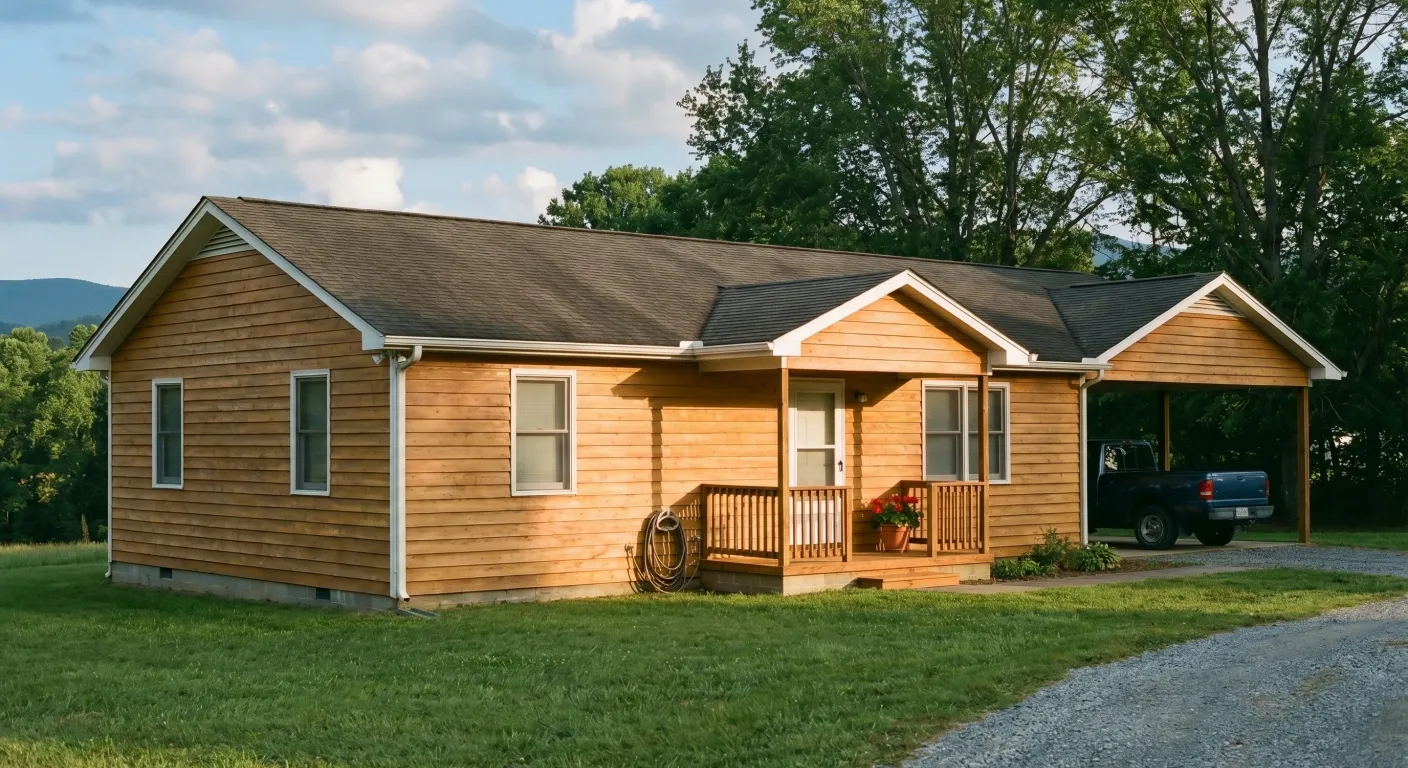
Cedar Home Restoration Across Virginia
We restore cedar homes throughout the Shenandoah Valley and Northern Virginia, including Front Royal, Winchester, Leesburg, Stephens City, Berryville, Middleburg, Upperville, Strasburg, and Purcellville.
Frequently Asked Questions
Should I stain or paint my cedar siding?
What causes tannin bleed on cedar and how do you prevent it?
How often does cedar siding need to be repainted or restained?
Do you repair rotted cedar boards before repainting?
How do you protect cedar from UV damage in the Shenandoah Valley?
How long does a full cedar home restoration take?
Restore Your Cedar Home
Call or contact us for a free assessment and estimate on your cedar home.